Mexico City
Travel Diary About Food, Fantasy, and Warmth

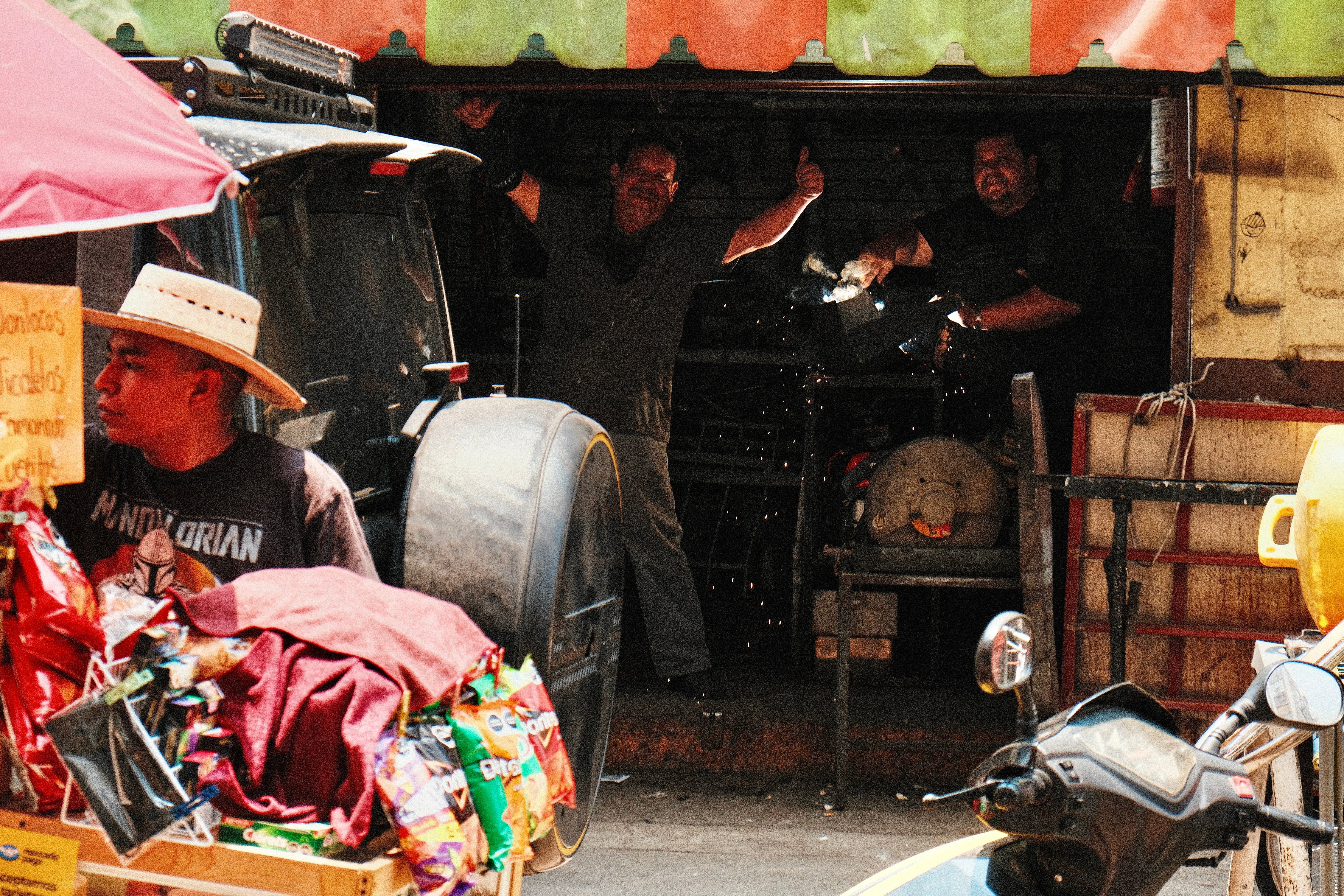
Our uber driver put on Smooth Operator by Sade the second we got in, which felt almost too on the nose, like the city had hired someone to handle mood lighting. Mexico City is the kind of place that makes you romanticize infrastructure. Concrete everywhere. Heavy buildings. Brutalist blocks softened by vines, jacaranda trees, overgrown balconies. Plants crawling out of places they probably shouldn’t survive in. Somehow everything looks both exhausted and alive. There’s always this strange visual collision happening. A woman selling tamales under the shadow of a luxury apartment building. A street cart smoking up the sidewalk while somebody nearby plates tweezers-and-foam cuisine for people who use words like curated unironically. And still, it works.
13,000 steps a day. Sometimes more. The city reveals itself slowly, the way all good places do. Through exhaustion, hunger, and minor dehydration.
I understand why this became the new fixation. It used to be Tokyo. Before that maybe Berlin. Now it’s Mexico City. Dense enough to feel dangerous, developed enough to still get an oat milk cortado and call an Uber home afterward. And honestly, I’m not exempt from any of this.
Everybody arrives wanting a little piece of Tony Bourdain mythology. You want the accident. The discovery. The moment where some old man hands you life-changing soup in a room with flickering lights and a soccer game playing in the background. What usually happens instead is you spend twenty minutes deciding between natural wine bars. Still. There are moments.
Getting recommendations from Jeremiah Tower admittedly gives the whole thing a little more authority. It’s hard not to feel smug walking into a restaurant because a legendary chef told you to.
Docena:
This was the first meal that made me stop talking for a minute. We ordered bread with cheese and tomato because sometimes the smartest thing on a menu is the least ambitious. Raw tuna with wasabi. Gazpacho that tasted aggressively alive. Cold and almost offensive in how fresh it was. Then tuna fillet with vegetable purée, sent out as a recommendation from the kitchen. One of those dishes that quietly reminds you someone back there actually cares.
Bourdain Pilgrimage Behavior:
Some restaurants now exist partially as food destinations and partially as shrines to Anthony Bourdain episodes. You can feel people quietly trying to recreate a sensation they watched on television fifteen years ago.
Fonda Margarita:
The kind of place where breakfast feels less like a meal and more like recovery.
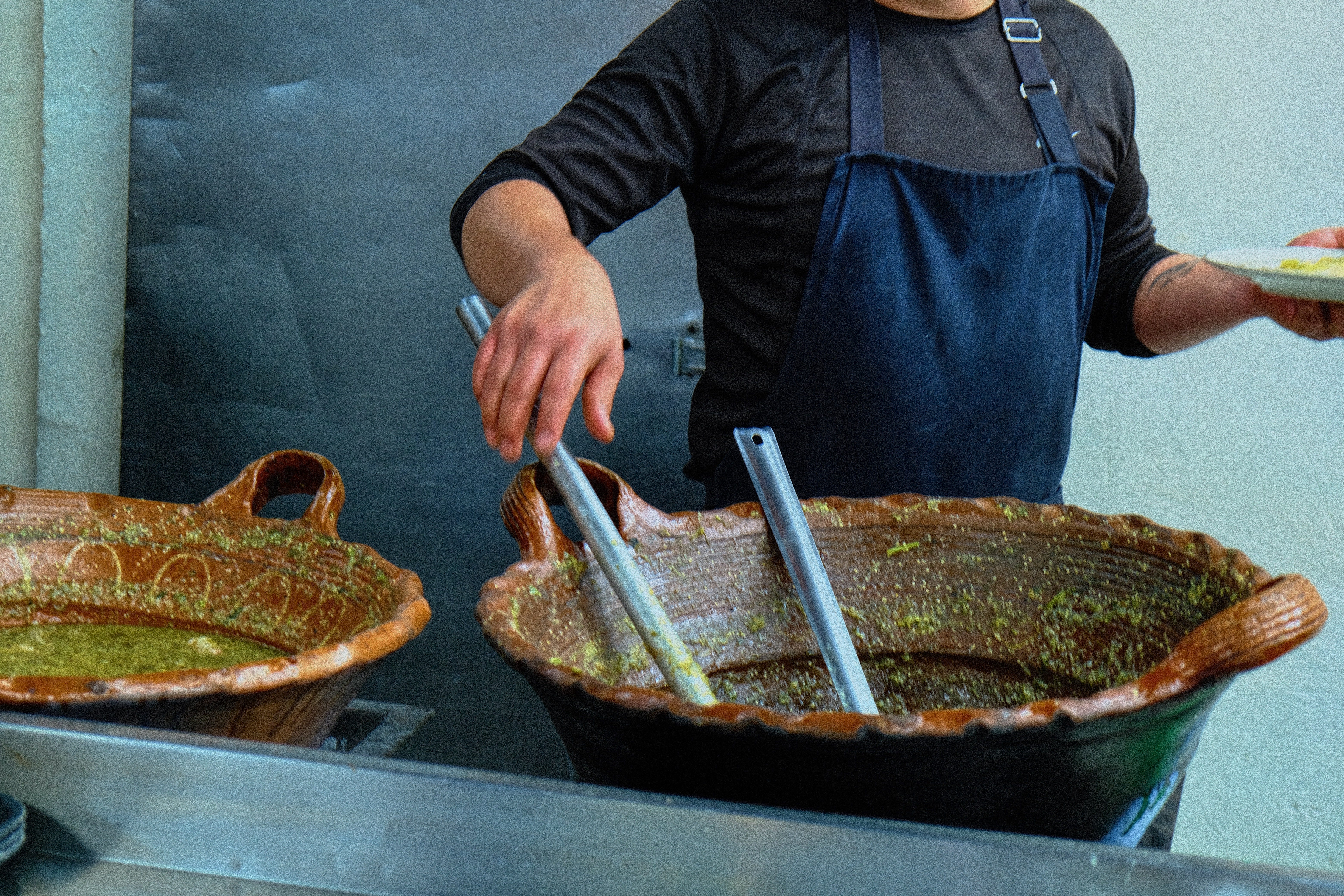
Huevos y frijoles. Fried chicharrón in green tomatillo sauce. Tortillas that ruined most tortillas afterward. Everything tasted like somebody’s grandmother had been making the same dish for fifty years and had no interest in reinventing it for tourists. Which is usually a good sign. You sit there realizing this is exactly the kind of place Bourdain loved. No performance. No branding strategy. Just fluorescent lighting, tired waiters, and food capable of briefly repairing your faith in humanity.
Máximo Bistrot:
Another Bourdain stop, although now it feels slightly more polished than whatever version of it existed back then. We arrived carrying fantasies.
I had read about sautéed abalone, roasted serrano peppers, confit suckling pig tacos. The kind of descriptions that make you believe your life will become more meaningful after consuming them. None of it was on the menu.
Instead we ate artichoke and potato soup and lamb birria with beans and pickled onions.
And this happens constantly when traveling.
Your fantasy dissolves almost immediately, then gets replaced by something simpler and usually better. You stop trying to “have an experience.”
Cantina La Mascota:
Carnitas.
Fava bean and cactus soup.
Gorditas de chicharrón.
Heavy food. Honest food.
The kind of meal that makes you want a nap and a better understanding of your own life.
Did not get the chance to eat any of this because I was full of al pastor tacos but a shot of Dobel with an orange slice was more than enough to satisfy.
Taquería Los Cocuyos:
Didn’t make it there.
Still managed to talk about it multiple times like we almost did something brave.
Lengua. Tripa. All the parts Americans suddenly pretend to love once they’re in the right neighborhood.
El Huequito:
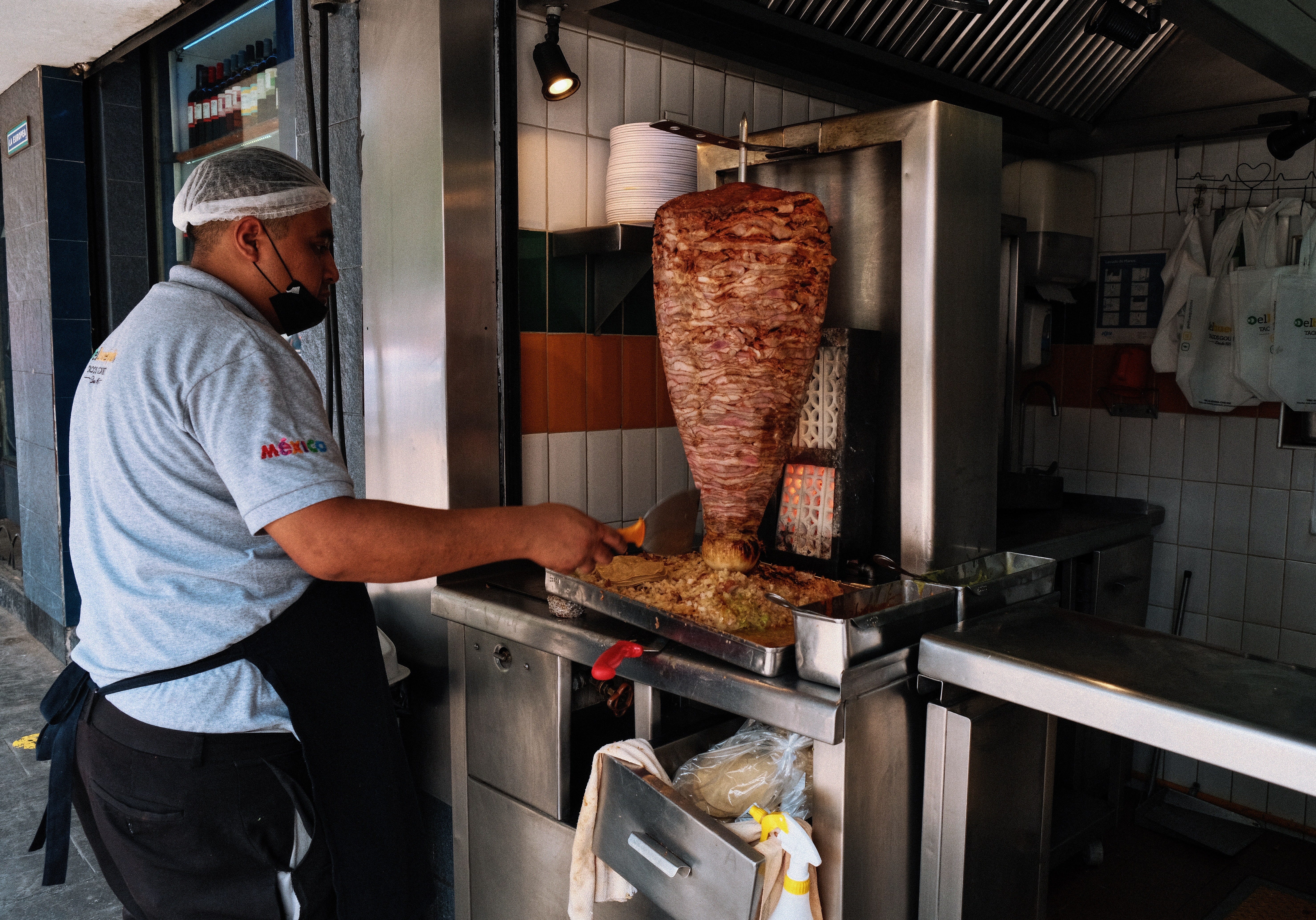
Tacos al pastor spinning under orange light. The knife shaving off crisp edges of pork, pineapple juice dripping down onto the metal tray, tortillas landing almost absentmindedly onto paper plates. One of the few truly reliable pleasures left.
Places we missed (recommended by Jeremiah Tower):
Meroma
Quintonil
Pujol
Nicos
Em
Umai
The rooftop bars too:
Supra Roma
ZUZU Rooftop
There’s always another list in this city.
Another reservation you failed to get.
Another taco someone swears changed their life.
Neighborhoods:
Polanco feels vaguely European if Europe had better tacos and more traffic.
Roma Norte is where everybody eats, drinks, works remotely, starts screenplays, heals from breakups, and discusses ceramics.
Cuauhtémoc still carries some of that old Bourdain energy. Less polished. Slightly rougher around the edges.
Nightlife and Temporary Best Friends
Cananea: Someone local recommended it, which immediately made it feel more legitimate.
We danced. Bonded with strangers.
Had conversations intense enough to feel important and vague enough to forget by morning. That’s usually the sweet spot.
Mexico City is good at giving you nights that feel cinematic while they’re happening. Then the next day you wake up slightly dehydrated, smelling faintly like mezcal and grilled meat, trying to piece together fragments of conversations and street corners and songs you didn’t know the name of. There’s a generosity here that feels increasingly rare. Not performative kindness. Not hospitality designed for tourism brochures. Just genuine warmth. People stopping to help without expecting anything back. Waiters taking time to explain dishes with actual care. Strangers making room for you at crowded bars. Someone pointing you in the right direction, then walking half a block with you to make sure you actually get there. The city is enormous, loud, overcrowded, occasionally overwhelming. And somehow the people remain soft around the edges. Maybe that’s what makes the place feel alive. Not the restaurants or the aesthetics or the mythology surrounding it. Just millions of people choosing, every day, not to harden completely.
Your references to Anthony Bourdain during your tasting of Mexico City are a nice remembrance for me… He was doing a book signing at our place, right after Hurricane Ivan took a couple of our walls with him… we were open to cook for the National Guard, contractors and brave homeowners trying to reconstruct their homes… still, there was a line waiting for Anthony to sign their copies of “Kitchen Confidential…” I had just finished prepping for supper when I walked out of the kitchen with my copy… I was standing in line when he must have noticed my disgusting apron I didn’t think to remove… he motioned me forward while saying, “line cooks don’t wait in line…” I was embarrassed, but he ignored that and asked, “What’s good today?” I responded with “I just made up a couple dozen crab cakes and they don’t suck…” He laughed and said, Drop two and I’ll see you in you kitchen…” one of the best days of my cooking life.
Wow looking through Bourdain’s Wikipedia I realized I’ve perhaps never watched any “Raw Craft” YouTube episodes though I might enjoy those tremendously amongst his oeuvre - may every restaurant and person and workshop etc get exactly the Wikipedia entry they want IF they desire a Wikipedia entry to begin with… I want many, many people to mention me when they’re writing their autobiography BUT ONLY in the ways I would approve of if wow do I want to be mentioned at all in the pages of history however defined hmm at all etc…!‽? I think I do and I think I’ll continue to want that probably whoa wild universe🌌🤪🤯♾️❤️🔥💥